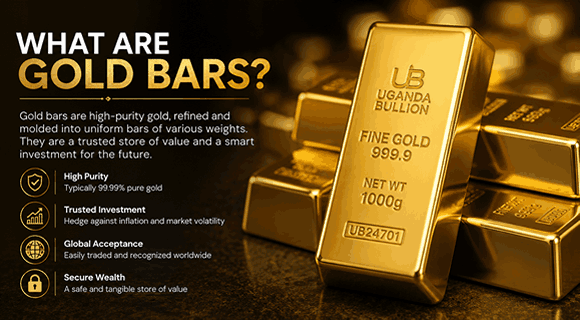
Gold bars are among the most recognized and trusted forms of precious metal in the world. For centuries, governments, central banks, investors, and traders have relied on them as a dependable store of value and an enduring symbol of financial strength. Today, that trust has not faded — gold bars continue to play a central role in global finance, investment portfolios, and international trade.
Whether you are a first-time investor, a business owner looking to diversify your assets, or simply curious about precious metals, understanding what gold bars are and how they work can help you make far better financial decisions. They offer a straightforward, tangible way to own physical gold while benefiting from its centuries-long reputation as a safe-haven asset.
Understanding Gold Bars
A gold bar — often referred to as gold bullion — is a refined piece of gold shaped into a rectangular form and produced to strict purity standards. Gold bars are manufactured by accredited refiners who process raw gold into highly pure bullion suitable for investment, trading, and storage.
Unlike gold jewelry, which typically contains other metals added for durability or design purposes, investment-grade gold bars usually carry a purity of 99.5% to 99.99% gold. That purity level is stamped directly onto the bar alongside other key details — weight, serial number, and the refiner's mark — making each bar fully identifiable and traceable.
Gold bars are valued primarily on weight and purity, which makes them one of the most transparent and straightforward forms of precious metal ownership available.
How Are Gold Bars Made?
The production of a gold bar begins with extraction from a mine. Once the gold has been mined, it goes through a series of refining processes designed to remove impurities and bring it to the required purity level.
The refined molten gold is then either poured into molds or pressed into shape, depending on the manufacturing method being used. Each bar is carefully inspected, weighed, and stamped with identifying marks before it is released to the market.
Modern refiners operate under strict quality control procedures to ensure every bar that leaves their facility meets international standards for weight, purity, and authenticity — no exceptions.
Common Sizes of Gold Bars
Gold bars come in a wide range of sizes to suit different investment needs and budgets. Smaller bars are popular among individual buyers, while larger bars are typically used in institutional and international trading contexts.
- 1 Gram Gold Bar
- 5 Gram Gold Bar
- 10 Gram Gold Bar
- 50 Gram Gold Bar
- 100 Gram Gold Bar
- 250 Gram Gold Bar
- 500 Gram Gold Bar
- 1 Kilogram Gold Bar
- 400 Ounce Good Delivery Bar
As a general rule, the larger the bar, the lower the premium per gram tends to be — which is why serious investors and wholesale buyers often gravitate toward the higher end of the size range.
Why Do Investors Buy Gold Bars?
Gold bars are widely regarded as one of the most efficient ways to hold physical gold. Investors are drawn to them for a number of compelling reasons.
Wealth Preservation
Gold has held its value for thousands of years and is consistently viewed as a reliable hedge against inflation and currency fluctuations — particularly during periods of economic instability.
Portfolio Diversification
Many investors include gold in their portfolios to reduce overall risk and balance their exposure to traditional financial assets such as stocks and bonds.
Global Acceptance
Gold bars are recognized and actively traded internationally, making them highly liquid assets that can be sold in markets around the world whenever the need arises.
Physical Ownership
Unlike digital assets or paper-based investments, gold bars give you direct ownership of a tangible asset — one that can be securely stored and passed down through generations.
Gold Bar Purity Explained
Purity is one of the most important characteristics of any gold bar. It tells you exactly what percentage of the bar is pure gold, and it has a direct bearing on value.
The most common purity levels include:
- 99.5% Purity (995 Fine Gold)
- 99.9% Purity (999 Fine Gold)
- 99.99% Purity (9999 Fine Gold)
The higher the purity, the more valuable the bar. Most investment-grade bullion produced today is manufactured to 99.99% purity — the benchmark the market now largely expects.
How to Verify a Gold Bar
Authenticity matters enormously when buying or trading gold bars. Reputable refiners and suppliers provide documentation and physical markings on every bar that make verification straightforward.
Common verification features include:
- Unique Serial Numbers
- Refiner's Logo
- Weight Stamp
- Purity Stamp
- Assay Certificates
- Secure Packaging
Professional testing methods — including XRF analysis, ultrasonic testing, and laboratory assays — can also be used to independently confirm purity and authenticity when additional verification is required.
Gold Bars in International Trade
Gold bars are a cornerstone of global precious metals markets, traded between miners, refiners, wholesalers, banks, investors, and jewelry manufacturers the world over. International gold trading operates within a framework of strict compliance procedures covering documentation, transportation security, and quality verification at every stage.
Countries with active gold industries regularly export refined bars to major financial centres and international bullion markets, helping to meet the consistent global demand for investment-grade gold.
Are Gold Bars a Good Investment?
For many investors, gold bars represent a practical, low-complexity, and genuinely reliable long-term investment. Gold prices can and do fluctuate in the short term, but gold has a long track record of maintaining purchasing power through periods of significant economic uncertainty.
The simplicity, transparency, and direct ownership that gold bars offer make them a popular choice for anyone seeking asset protection and portfolio diversification. As with any investment, working with a trusted supplier and making proper arrangements for storage and security are important parts of the process.
Final Thoughts
Gold bars are one of the purest and most trusted ways to own physical gold available to investors today. Produced to strict international standards, they offer a secure, transparent, and time-tested way to preserve wealth, diversify assets, and participate in the global precious metals market.
Whether you are buying a single small bar or building a substantial bullion portfolio, gold bars continue to be valued worldwide for their purity, liquidity, and enduring financial strength. Understanding what they are and how they work is the natural starting point for anyone looking to make informed decisions in the world of precious metals.