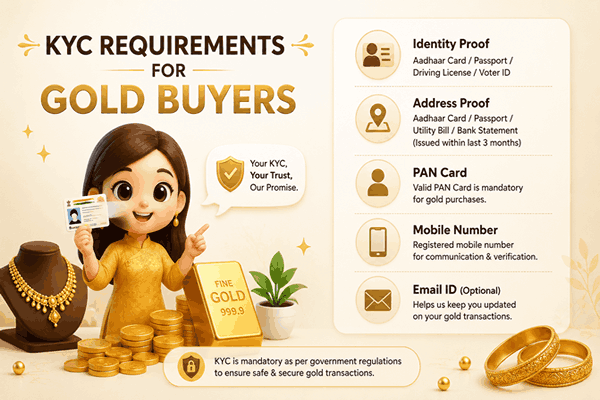
In today's international precious metals market, compliance and transparency are not optional extras — they are what make secure and legitimate transactions possible in the first place. Among the most important compliance procedures in gold trading is Know Your Customer, or KYC. Whether you are purchasing gold bullion, gold bars, gold nuggets, or investment-grade precious metals, understanding what KYC involves helps ensure that your buying process is smooth, secure, and legally sound from start to finish.
KYC procedures are designed to verify the identity of buyers, prevent fraud, combat money laundering, and ensure that gold transactions meet the regulatory standards applied in markets around the world. Reputable gold suppliers and exporters require buyers to complete KYC verification before any transaction can proceed — not to create obstacles, but to protect both parties and to uphold the integrity of the global gold market that everyone in it depends on.
What Is KYC in Gold Trading?
Know Your Customer is the standard compliance process used by financial institutions, commodity traders, and precious metals companies to verify the identity of the people and organisations they do business with. In the gold industry, KYC gives suppliers the means to confirm that buyers are legitimate individuals, businesses, investors, or institutions conducting lawful transactions — and not actors looking to exploit the gold market for illicit purposes.
KYC sits within the broader framework of Anti-Money Laundering regulations that apply to high-value transactions worldwide. By collecting and properly verifying buyer information, gold suppliers significantly reduce their exposure to fraudulent activities, financial crimes, and unauthorised transactions — while creating a safer environment for the buyers themselves.
Why KYC Is Important for Gold Buyers
First-time buyers are sometimes caught off guard when asked to provide identification documents before a purchase can proceed. But KYC requirements serve purposes that directly benefit buyers as much as they protect suppliers.
- Protect buyers from fraudulent transactions.
- Verify the legitimacy of funds used for purchases.
- Ensure compliance with international AML regulations.
- Support secure cross-border gold transactions.
- Build trust between buyers and suppliers.
- Facilitate banking and payment approvals.
- Reduce risks associated with identity theft and financial crimes.
Legitimate gold suppliers take compliance seriously because it protects the integrity of every transaction — and because it is the foundation on which long-term, trustworthy business relationships are built.
Documents Commonly Required for Individual Buyers
Individual investors and private buyers are generally required to submit a set of standard documents as part of the KYC process. These typically include:
- Valid passport.
- National identity card.
- Driver's license (where applicable).
- Proof of residential address.
- Recent utility bill.
- Bank statement showing address details.
- Contact information and verification details.
Specific requirements may vary depending on transaction size, destination country, and the regulations in force at the time. Providing clear, accurate documentation from the outset is the single most effective way to accelerate the approval process and avoid unnecessary back-and-forth.
KYC Requirements for Corporate Buyers
Businesses purchasing gold typically undergo a more detailed due diligence process, reflecting the larger transaction values involved and the additional complexity that corporate structures can introduce. Corporate buyers may be required to provide:
- Certificate of incorporation.
- Business registration documents.
- Company tax identification details.
- Proof of business address.
- Authorised signatory identification.
- Corporate structure information.
- Ultimate beneficial ownership details.
These requirements allow suppliers to confirm that the purchasing company is operating lawfully and that the individuals acting on its behalf have the proper authority to do so. Getting this documentation in order early makes the entire process considerably more straightforward for all parties.
Source of Funds Verification
Beyond identity verification, buyers may also be asked to demonstrate the origin of the funds they intend to use for their gold purchase. This requirement has become increasingly standard across international transactions and large-volume acquisitions as regulatory expectations have tightened globally.
Acceptable supporting documentation typically includes bank statements, business financial records, investment account statements, or other evidence that clearly establishes the legitimate origin of the funds involved. Source-of-funds verification is a routine part of responsible gold trading — and working with a supplier who takes it seriously is itself a sign that you are in reliable hands.
Enhanced Due Diligence for High-Value Transactions
For larger gold purchases, standard KYC may be supplemented by Enhanced Due Diligence procedures. EDD involves additional compliance checks, supplementary documentation requests, and further verification steps appropriate to the scale and complexity of the transaction.
Enhanced Due Diligence is particularly relevant for international transactions involving significant quantities of bullion, institutional buyers, or deals that span multiple jurisdictions. It exists not to complicate transactions unnecessarily, but to ensure that the level of scrutiny applied is proportionate to the risk involved.
How the KYC Process Works
When buyers come prepared with accurate, complete documentation, the KYC process is generally straightforward and moves efficiently through the following stages:
- Buyer submits identification documents.
- Supplier reviews and verifies information.
- Compliance checks are conducted.
- Source of funds may be assessed.
- Verification approval is issued.
- Transaction proceeds according to agreed terms.
- Shipping and delivery arrangements are finalised.
Most verifications can be completed quickly when documentation is complete, clearly presented, and consistent. Delays almost always trace back to missing or unclear paperwork — something that is entirely within a buyer's control to avoid.
Protecting Buyer Information
Reputable gold suppliers handle KYC documentation with the same seriousness they bring to the transaction itself. Information collected during verification should be stored securely, accessed only by authorised personnel, and processed in accordance with applicable privacy regulations.
Buyers should only work with suppliers who can demonstrate strict confidentiality standards and have secure systems in place for handling sensitive personal and corporate documentation. If a supplier is vague about how your information will be protected, that is worth paying attention to.
Benefits of Completing KYC Verification
Rather than viewing KYC as an inconvenience, buyers who understand what it delivers tend to see it very differently. Completing verification properly brings real, practical advantages:
- Faster transaction approvals.
- Improved trust and credibility.
- Enhanced security during purchases.
- Reduced regulatory delays.
- Smoother international shipping processes.
- Protection against fraudulent activities.
- Compliance with global trading standards.
For serious investors and commercial buyers, KYC compliance is simply part of how professional gold trading works — and completing it thoroughly is what allows transactions to move forward without unnecessary interruptions.
Conclusion
KYC requirements are one of the most important safeguards in the international gold market. By verifying identities, confirming the legitimacy of funds, and ensuring adherence to regulatory standards, both suppliers and buyers contribute to a trading environment that is genuinely safer and more trustworthy for everyone who participates in it.
Whether you are buying gold for investment, commercial distribution, or long-term wealth preservation, understanding what KYC involves — and approaching it as a professional standard rather than an obstacle — is part of what separates informed buyers from those who struggle with delays and complications. Working with a trusted supplier that takes compliance seriously is not just advisable; it is one of the most important decisions you will make in your gold purchasing journey.
Need Assistance With Buyer Verification?
Our compliance team is here to walk you through the KYC process, explain document requirements, and guide you through every verification step — so your gold purchase can move forward smoothly and with complete confidence.